Our Story
From the past of Luscher & Matiesen to the present day
We deeply respect the history of our Luscher & Matiesen brand and Estonia’s beverage culture. In the branding of Muhu Winery, and partly in the naming of our products, we draw inspiration from elements rooted in the heritage of Luscher & Matiesen. Below, we invite you to discover our story — one that stretches back more than 115 years and is closely intertwined with the history of winemaking in Estonia.

A Distinguished Heritage
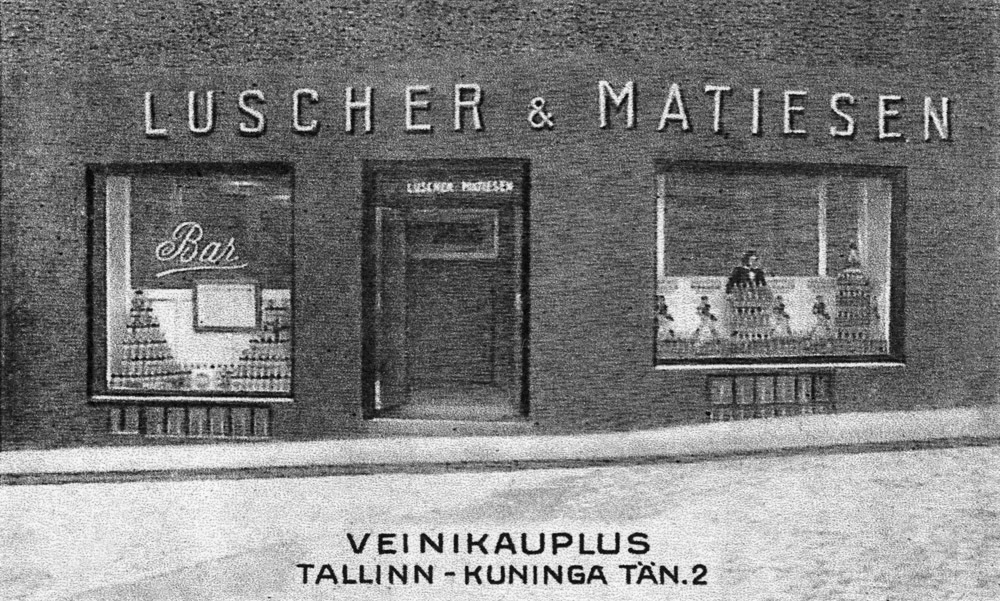
The story of Luscher & Matiesen began more than a century ago, when Swiss entrepreneur Arnold Lüscher and Estonian Paul Matiesen founded a vodka distillery in Moscow in 1910. The October Revolution turned their lives upside down — they lost everything and were forced to flee Russia. Fate brought them to Mr. Matiesen's hometown of Tallinn, where they resumed business in 1921, initially importing premium wines.
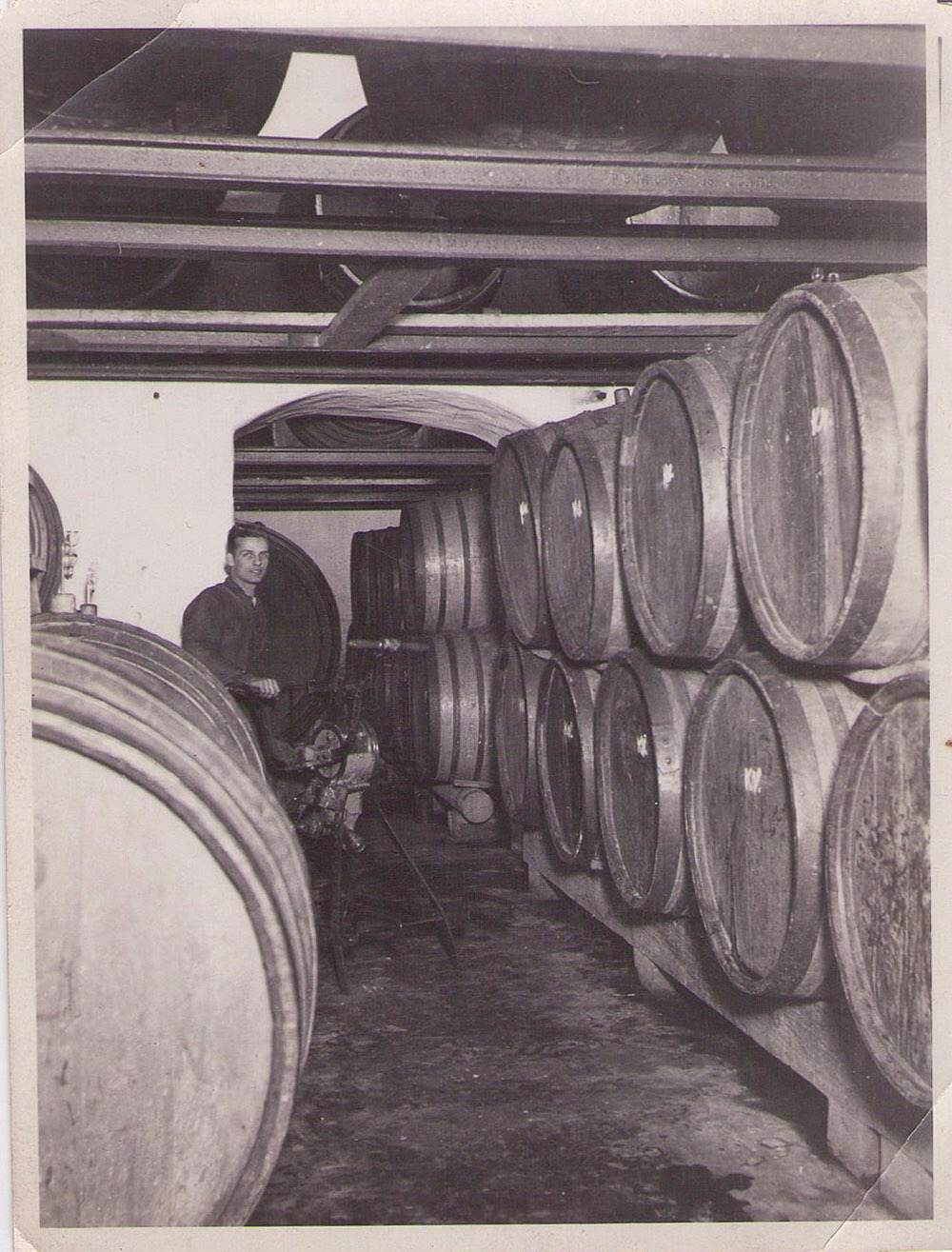
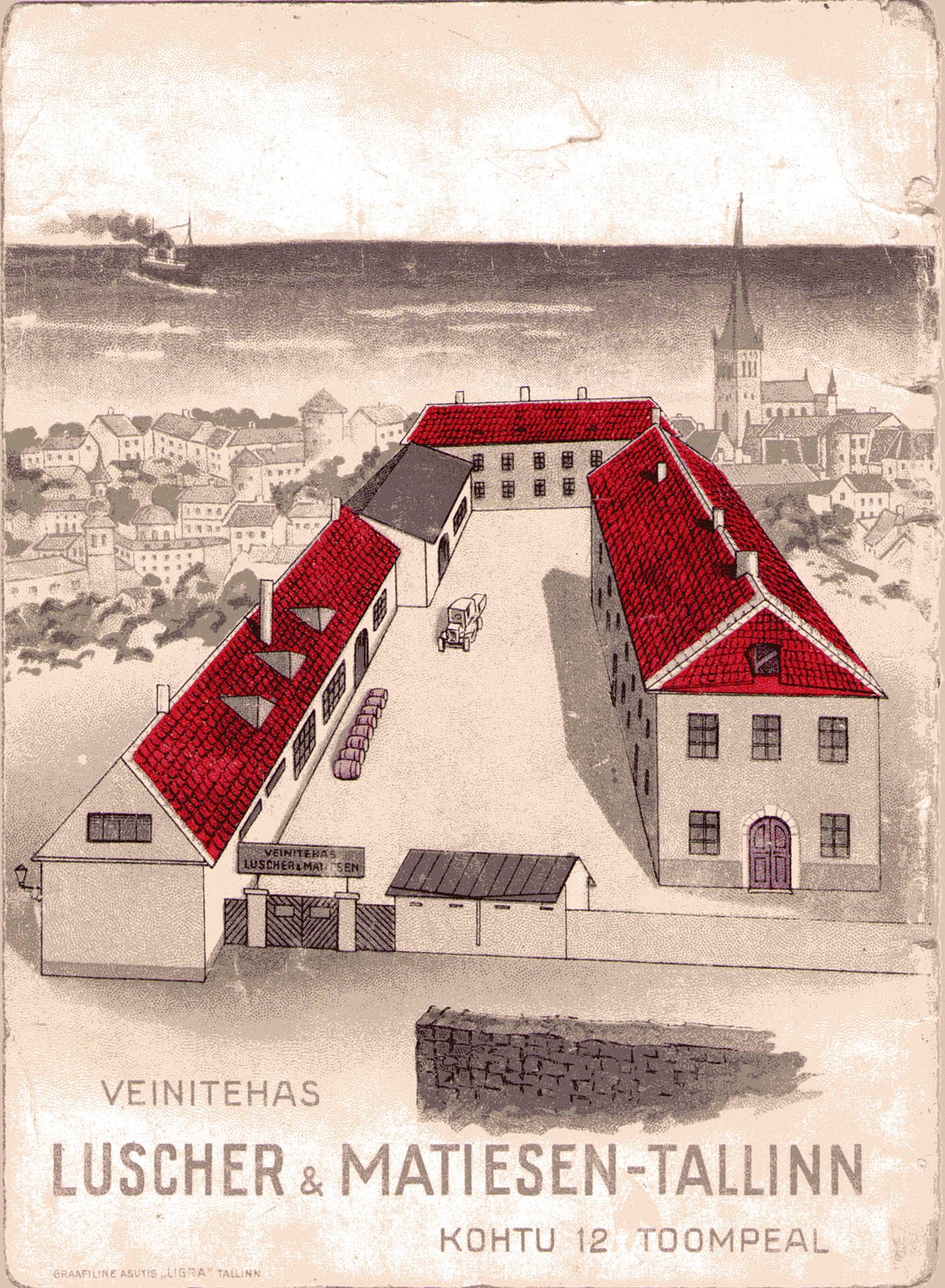
By the late 1920s, Luscher & Matiesen had grown into Estonia's leading beverage producer. In 1929, the company established Estonia's largest winery in the Tiesenhausen House on Toompea Hill. In its vast cellars, more than 18,000 buckets — over 200,000 litres of wine — were fermenting and ageing at any given time. During the 1930s, the company produced up to 400,000 litres of beverages annually under the MATIESEN brand: berry and fruit wines, fortified wines such as port, tokay, sherry, and madeira, as well as many other alcoholic and non-alcoholic drinks.
Even then, the company proudly carried a promise on the labels of its natural berry wines:
"Guaranteed pure berry and fruit wine, with no added spirits or artificial flavourings."
The Soviet occupation, however, brought this success story to an abrupt end. The company was nationalised, and its founders once again lost everything they had built. The name of Luscher & Matiesen faded into decades of silence — but it was never truly forgotten.
A Distinguished Heritage
The story of Luscher & Matiesen began more than a century ago, when Swiss entrepreneur Arnold Lüscher and Estonian Paul Matiesen founded a vodka distillery in Moscow in 1910. The October Revolution turned their lives upside down — they lost everything and were forced to flee Russia. Fate brought them to Mr. Matiesen's hometown of Tallinn, where they resumed business in 1921, initially importing premium wines.
By the late 1920s, Luscher & Matiesen had grown into Estonia's leading beverage producer. In 1929, the company established Estonia's largest winery in the Tiesenhausen House on Toompea Hill. In its vast cellars, more than 18,000 buckets — over 200,000 litres of wine — were fermenting and ageing at any given time. During the 1930s, the company produced up to 400,000 litres of beverages annually under the MATIESEN brand: berry and fruit wines, fortified wines such as port, tokay, sherry, and madeira, as well as many other alcoholic and non-alcoholic drinks.
Even then, the company proudly carried a promise on the labels of its natural berry wines:
"Guaranteed pure berry and fruit wine, with no added spirits or artificial flavourings."
The Soviet occupation, however, brought this success story to an abrupt end. The company was nationalised, and its founders once again lost everything they had built. The name of Luscher & Matiesen faded into decades of silence — but it was never truly forgotten.
Rediscovered and Reimagined
In 2009, the Luscher & Matiesen brand was brought back to life by Peke Eloranta, whose passion for the world of wine and the history of Estonia's beverage culture marked the beginning of a new chapter in the story of Luscher & Matiesen. A company was born with deep respect for traditions spanning more than a century — while keeping its gaze firmly set on the future.
Before long, this story found its true home on the island of Muhu, where the historic Lõo farm was reborn as Luscher & Matiesen Muhu Winery. Today, we operate one of the world's northernmost wineries, cultivating our own grapes and crafting wines shaped by the unique character of the Nordic climate. At the same time, we proudly carry forward the heritage of Estonian wine culture. Together with our guesthouse and restaurant, the estate has become a place where wine, food, nature, and hospitality come together.
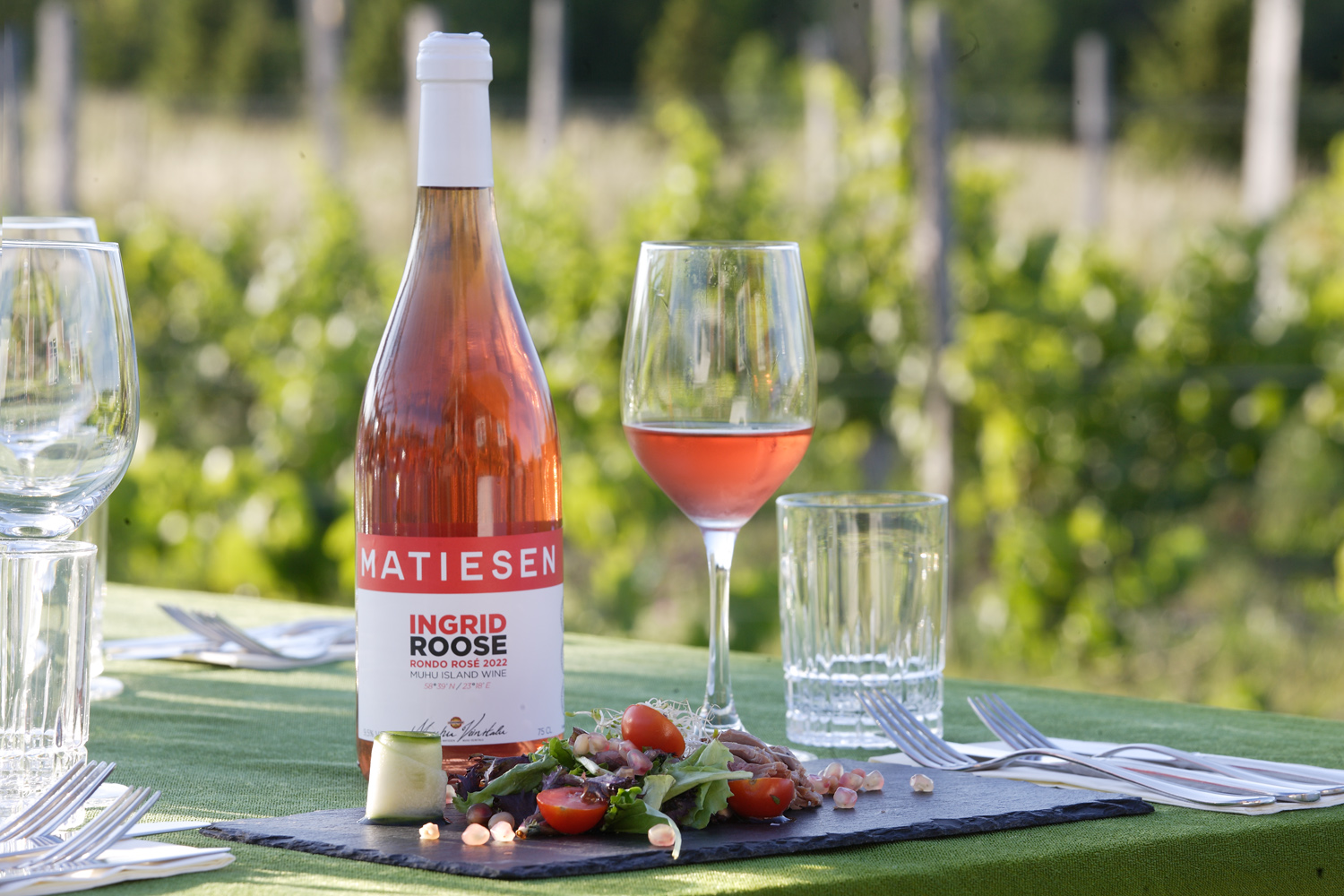
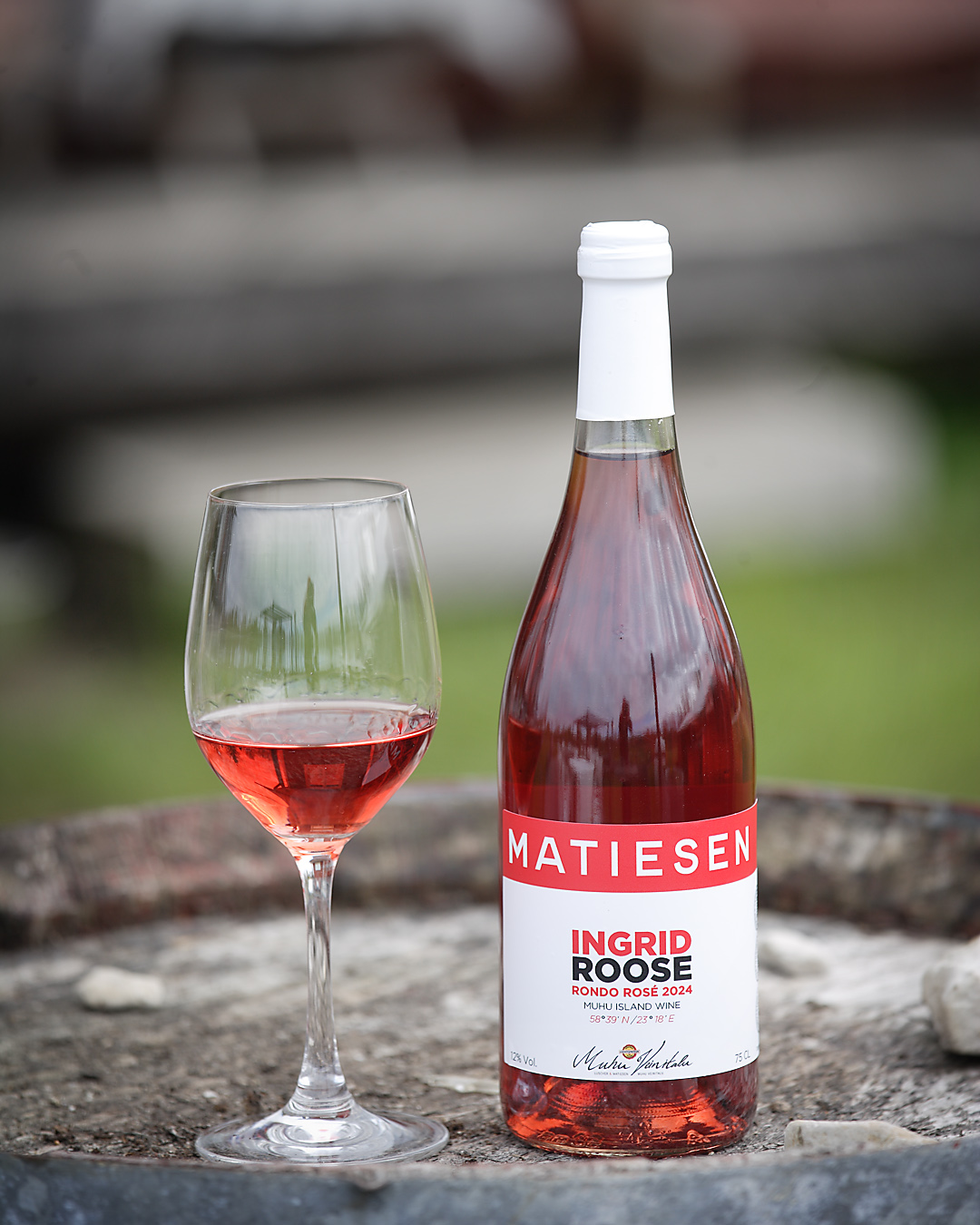
Almost every one of our wines carries a personal story. One of the very first was named Ingrid Roose — a tribute to Ingrid, the wife of Muhu Winery's host Peke, whose maiden name gave this rosé wine its name. History, family, and craftsmanship woven into one — this is the story of Luscher & Matiesen today.
We believe deeply that every guest should feel truly welcome and leave richer than they arrived — enriched by new flavours, knowledge, and memories.
Rediscovered and Reimagined
In 2009, the Luscher & Matiesen brand was brought back to life by Peke Eloranta, whose passion for the world of wine and the history of Estonia's beverage culture marked the beginning of a new chapter in the story of Luscher & Matiesen. A company was born with deep respect for traditions spanning more than a century — while keeping its gaze firmly set on the future.
Before long, this story found its true home on the island of Muhu, where the historic Lõo farm was reborn as Luscher & Matiesen Muhu Winery. Today, we operate one of the world's northernmost wineries, cultivating our own grapes and crafting wines shaped by the unique character of the Nordic climate. At the same time, we proudly carry forward the heritage of Estonian wine culture. Together with our guesthouse and restaurant, the estate has become a place where wine, food, nature, and hospitality come together.
Almost every one of our wines carries a personal story. One of the very first was named Ingrid Roose — a tribute to Ingrid, the wife of Muhu Winery's host Peke, whose maiden name gave this rosé wine its name. History, family, and craftsmanship woven into one — this is the story of Luscher & Matiesen today.
We believe deeply that every guest should feel truly welcome and leave richer than they arrived — enriched by new flavours, knowledge, and memories.
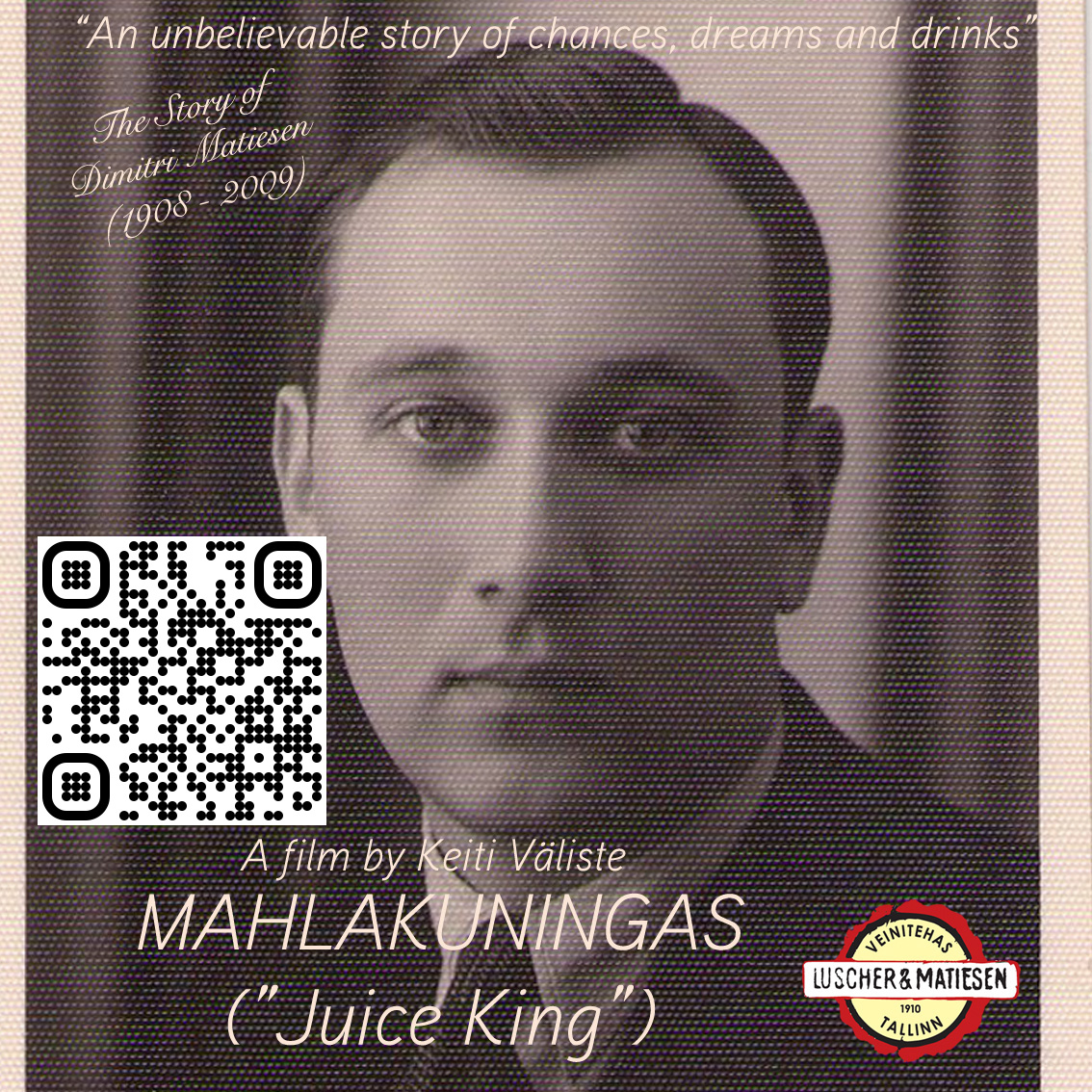
Documentary "The Juice King" (2014)
The documentary film The Juice King (2014) is a story of loss and resilience. One of the film's central figures, and one of the founders of the Luscher & Matiesen brand, was a man who repeatedly managed to rebuild a successful life and business after losing everything.
In 1944, Dimitri Matiesen — the last director and co-owner of the Toompea winery — was once again forced to begin a new life from nothing in Sweden. On the occasion of his 100th birthday, he returned to Tallinn after many years to share the story of his life and the winery. Today, only a few people still remember the wine factory that operated on Toompea Hill in Tallinn during the 1920s and 1930s, despite it having been one of the largest wine and juice producers in Estonia at the time.
Director: Keiti Väliste
Running time: 43 min 03 sec
Documentary "The Juice King" (2014)
The documentary film The Juice King (2014) is a story of loss and resilience. One of the film's central figures, and one of the founders of the Luscher & Matiesen brand, was a man who repeatedly managed to rebuild a successful life and business after losing everything.
In 1944, Dimitri Matiesen — the last director and co-owner of the Toompea winery — was once again forced to begin a new life from nothing in Sweden. On the occasion of his 100th birthday, he returned to Tallinn after many years to share the story of his life and the winery. Today, only a few people still remember the wine factory that operated on Toompea Hill in Tallinn during the 1920s and 1930s, despite it having been one of the largest wine and juice producers in Estonia at the time.
Director: Keiti Väliste
Running time: 43 min 03 sec